
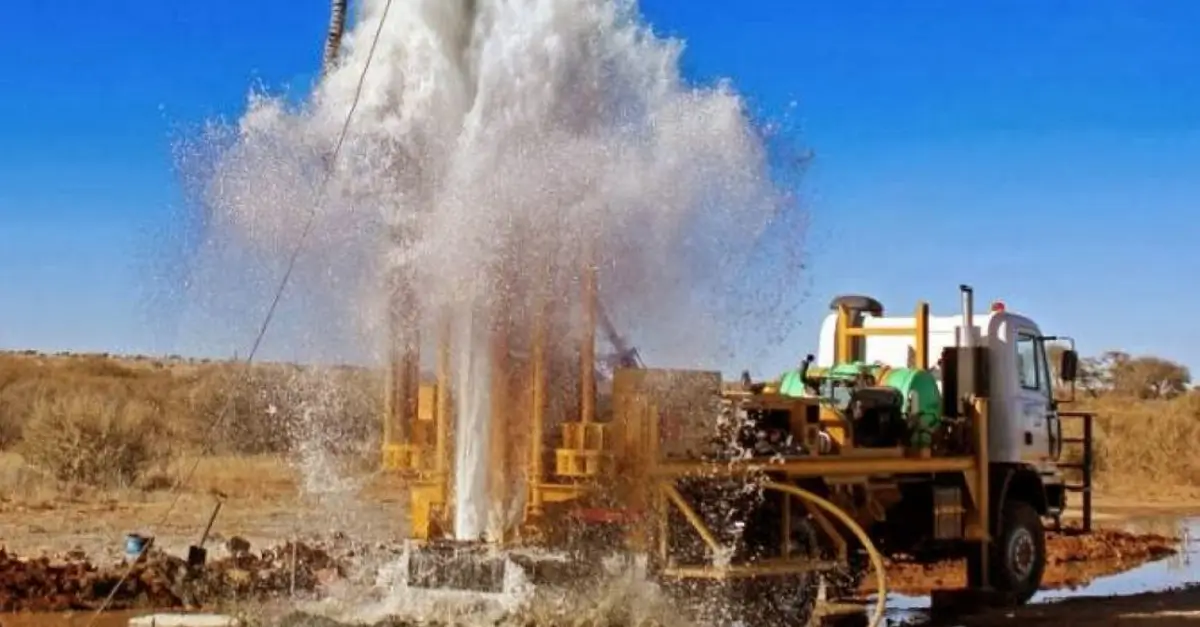

Drilling a water well is a significant investment, and the overall cost can vary depending on several factors. Whether you’re drilling for residential, agricultural, or industrial purposes, understanding these cost determinants can help you plan your budget effectively. Here are the key factors that influence the cost of drilling a well.
1. Geological Conditions
The type of soil and rock formations in your area play a major role in drilling costs. Hard rock formations like granite require specialized equipment and take longer to drill, increasing expenses. Softer soils, on the other hand, are easier to drill through and may reduce costs.
2. Depth of the Well
The deeper the well, the higher the cost. Deeper wells require more drilling time, additional materials, and more powerful equipment. If groundwater is located far below the surface, expect higher expenses.
3. Drilling Method
Different drilling techniques come with varying costs. Rotary drilling, cable tool drilling, and percussion drilling each have their own price points. The method chosen depends on the geological conditions and the depth of the well.
4. Equipment and Labor
High-quality drilling equipment and skilled labor contribute to the overall cost. Hiring experienced professionals ensures efficiency and reduces the risk of complications, but it may come at a premium.
5. Permits and Regulations
Local regulations may require permits, environmental impact assessments, and compliance with water usage laws. These legal requirements can add to the total cost, especially if extensive paperwork or inspections are needed.
6. Location and Accessibility
The ease of access to the drilling site affects transportation costs for personnel and equipment. Remote locations may require additional logistical planning, increasing expenses.
7. Water Quality and Quantity Requirements
If the well needs to provide a high volume of water or meet specific quality standards, additional filtration systems or treatments may be necessary, adding to the cost.
Final Thoughts
Drilling a water well involves multiple cost factors, from geological conditions to regulatory requirements. By understanding these elements, you can make informed decisions and budget accordingly. If you’re planning to drill a well, consulting with professionals and conducting thorough site assessments can help optimize costs while ensuring a reliable water source.
Would you like recommendations on cost-effective drilling options for your specific location? Let us know!